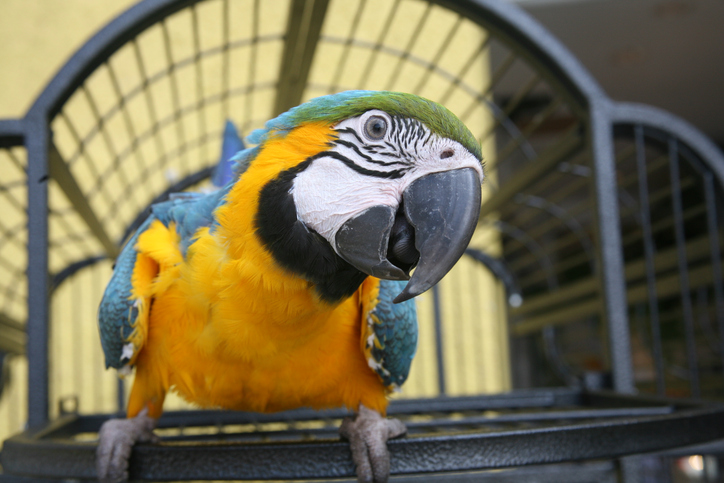
AAHA Pets’ Matter is a great source of information on pet health. This week we’d like to share their tips for keeping your dog healthy and active in the winter months. Just click on the link below.
Have a wonderful and safe New Year!
6011 North Brady Street, Davenport, Iowa 52806-2146
Directions | (563) 391-9522
Many families choose to add a new furry family member to their home at Christmas. Sadly when we think of a new pet most of us only think of puppies or kittens. It’s easy to do. Who doesn’t love a puppy and babies are wonderful and cuddly.
However, this holiday season, we at Animal family would like to suggest youbring home a shelter baby. For those of you with room in your heart but not in your home, please consider a donation of time, money, bedding or whatever you can spare. Most of our shelters are over crowded and stretched financially.
So we’ve said it before and once again, here are 10 good reasons your next pet should come from a shelter.
You know what you are getting. Unlike a puppy, if you adopt an adult animal, he/she will already have a fully developed personality. In addition, most shelters temperament test their animals before putting them up for adoption so there is little chance of bringing home an unstable animal. 


10. Your pet may already be spayed or neutered. Because all shelters are concerned about pet overpopulation, your pet will most likely already be altered. If you adopt an animal that is too young most provide vouchers for later spaying and neutering. That’s one less thing for you to worry about.
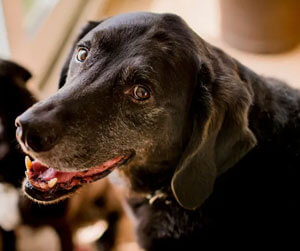
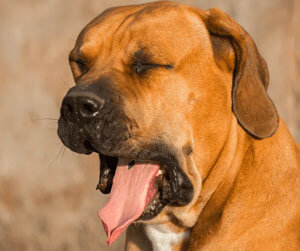
If you’re loving these pictures, please be sure to click on their photo. They are all adoptable pets from some of our wonderful shelter and rescue organizations. The link will take you directly to the shelter page.
The practice of keeping birds has been around for centuries. People the world over have brought birds into their homes to enjoy their lovely colors or perhaps, as with canaries, to revel in their beautiful songs or maybe just for companionship. We humans have benefited from birds in many ways. The key as an owner is to make sure our birds benefit as well.
Bird ownership can be quite challenging. Captive birds can suffer from boredom, too little or too much food. Maybe it’s just the wrong foods. They are affected by stress, loneliness, allergies, arthritis, injuries, respiratory problems and more. The list is almost endless. On top of that, birds often mask their illnesses and often, by the time we notice things aren’t right, they are already very sick. New owners quickly learn that caring for a bird is not as easy as it seemed at first glance.
Below is a list of signs indicating that you need to call your veterinarian:


These are not all inclusive but are some of the main signs of illness require veterinary care.
1) Potpourri: Liquid potpourri can make your home smell festive for the holidays but remember to keep it away from your pets. If the worst happens and your pet swallows liquid potpourri or spills any of it on themselves, you may see some of the following: drooling in case of ingestion, burning of the skin or mouth, weakness and vomiting. If you think any potpourri may be left on your pet’s skin, bathe them ASAP and call your veterinarian.
2) Oh Christmas Tree: As beautiful as Christmas trees are, they can pose considerable danger to your pets. Don’t make this the Christmas you
remember because of the trip to the emergency room. Be sure to secure your tree properly so playful pets don’t topple it and injure themselves.
3) Ornaments: Cats love to play with tinsel but it can be a deadly game. If ingested tinsel can cause a linear foreign body capable of cutting through intestines. Signs may include loss of appetite, lethargy and vomiting. Notify your veterinarian immediately if you think your cat has eaten any tinsel.
Ornament hooks can also be a hazard. They are easily swallowed by pets and can lodge in the stomach or intestines. Even broken ornaments knocked from the tree can cut sensitive paw pads. In general, it is best not place ornaments low on the tree where pets can dislodge them.
4) Electrical Cords: All kinds of pets are susceptible to allure of chewing electrical cords. Once they come into contact with bare wire, they can die suddenly or receive severe burns to the mouth. Signs of electrical burns include drooling, blisters and swelling around the mouth and an unwillingness or inability to eat or drink. This type of injury requires immediate veterinary care.
5) Poinsettias/Mistletoe: Both these plants are commonly used as decorative accents during the Holiday season. Poinsettia can cause local irritation to the mouth, gums and GI tract if ingested. Treat your pet by washing the sap off immediately to stop further irritation. If your pet is vomiting or if their eyes appear inflamed, call your veterinarian It is the berries of the Mistletoe that pose a danger to pets. Depending on the amount ingested, symptoms can range from GI upset and vomiting to drooling, diarrhea, increased urination, and rapid heart rate and respiration. All of these symptoms require immediate veterinary care.
6) Alcohol: Are there still people who think it is funny to feed pets alcohol? Sadly the answer is yes. It really doesn’t matter whether toxicity occurs by accident or intent; it is important to understand that pets can die from alcohol ingestion. Alcohol poisoning is dependent on the amount of
alcohol ingested as compared to an animal’s weight. That means when a small pet gets into an alcoholic beverage, it can cause a significant toxicity problem. According to Becky Lundgren, DVM, “Within 15 to 30 minutes after the pet has drunk the alcohol on an empty stomach (or within 1 to 2 hours on a full stomach); central nervous system signs (such as staggering, excitement, or decreased reflexes) can begin. Behavioral changes can be seen, as can an increased need to urinate. As the problem gets worse, the pet may become depressed, have a slow respiratory rate, or go into cardiac arrest. Puppies and kittens are at particular risk because of their small size and immature organ systems.”
7) Chocolate: Most people are aware that chocolate is bad for pets. We just need to be extra careful to keep it away from them during the holidays. As with most toxicities, problems with chocolate vary depending on the amount of cocoa, the size of the animal and the total amount ingested.
Again, a small pet that eats dark chocolate can be expected to have a much more severe problem. Signs of toxicity include increased excitability, increased irritability, increased heart rate, restlessness, increased urination, muscle tremors, vomiting and diarrhea. Be sure to call your veterinarian immediately if you think your pet may have ingested chocolate.
8) Grapes/Raisins: Lots of Holiday breads and treats contain raisins or grapes. We love them but accidental ingestion by our pets can cause kidney problems. If you suspect your pet may have ingested either call your veterinarian ASAP.
9) Burning Candles: This hazard doesn’t need a lot of explanation. We all just need to remember to take extra care that candles are safely out of the way of rambunctious pets and children.
10) Overindulgence: As tempting as it may be, please don’t share your holiday bounty with your pets. Too much fatty food can cause a bout of pancreatitis (an inflammation of the pancreas caused by over secretion of the enzymes used to digest food) and land your pet in the emergency room. Signs of pancreatitis include: vomiting, no or decreased appetite, an
abdomen that is painful to the touch and/or a hunched appearance, fever, diarrhea, lethargy /depression, and dehydration. Pancreatitis can be life threatening and requires immediate veterinary care.
So, please enjoy the holidays but remember keep a watchful eye on your pet as well.
ASPCA Poison Control: 888-426-4435
Dear Doctor Rob:
Why is there so much difference from clinic to clinic when it comes to dental procedures? I want to do the best thing for my pet but frankly, I am confused. Could you please help me understand what is involved in a dental procedure?
Confused Pet Owner
Dear confused:
Making comparisons about any procedure at a veterinary clinic (or for that matter at a dentist office, with a plumber, mechanic, lawyer, etc.) can be a bit tricky. Are apples being compared with apples? Any other way is just not fair.
A dental cleaning means different things to different people and there is a huge difference between removing tartar from the crown of the tooth and a complete oral exam with cleaning, polishing, charting and oral surgery if needed.
As much as we promote dental home care to prevent disease, the fact is that most of what we do is not a simple cleaning. Most patients have dental disease that needs to be addressed, safely, under anesthesia, while on IV fluids, with monitoring. Sometimes this also includes dental x-rays, deeper pocket cleaning and even oral surgery.
So questions need to be asked. Do these estimates or procedures include:
Does your veterinarian provide pre-surgical bloodwork to evaluate liver and kidney function? That is the only way to tailor anesthesia to your pet’s health requirements. Will there be intravenous fluids to support blood pressure and help blood flow to the kidneys and other organs? Will your pet be under general anesthesia with intubation to provide a secure source of oxygen and to protect the airway from aspiration of water and bacteria ? Does the veterinarian have trained staff monitoring your pet while he or she under anesthesia? Are pain medications provided before the procedure? Do they use local nerve blocks to protect your pet from pain during the procedure? This would be similar to the lidocaine you receive at your dentist. Does the practice provide pain medications if required after the procedure? Do they scale above and below the gumline or just clean what you can see? What type of scaling do they use? Is it hand scaling or ultrasonic ? Do they make certain to polish your pet’s teeth after scaling? If not, they are simply providing a new surface for tartar to attach to the teeth. Do they probe the gumline for pockets and then chart their findings?
If they find a potential problem do they have the ability to do digital dental x-rays? Do they have the tools and training to perform safe surgical extractions, if needed? That includes closure of the surgery (extraction) sites. Does your pet receive antibiotics before and after the procedure if needed? Will there be detailed home care recommendations and recheck exams? Are extractions recommended appropriately or only when teeth are just about to fall out on their own? Are root planing and subgingival curettage offered? Is there a licensed veterinary technician assisting the veterinarian? Has the veterinarian and staff received continuing education from a board certified veterinary dentist?
If the answers to all of these questions are the same, then fair statements can be made. We are proud of the services we offer and the job that we do. There are no standards mandated in veterinary medicine that every clinic must abide by, therefore no two clinics are the same. This is part of the reason we follow American Animal Hospital Association (AAHA) standards and are AAHA certified.
I hope this has helped make things a little less confusing for you. If you still have questions, feel free to call the clinic or visit our website at www.animalfamilyveterinarycare.com
Ask any bird owner and they will probably tell you that the most serious bird behavior problem is biting. This is especially true with the larger birds whose strong jaw and hooked bills can inflict considerable damage and pain. Most biting behaviors can be classified as fear, aggression, territorial, conditioned or mate related.
Fear Biters:
When most birds were wild caught, fear biting was a bigger problem. Today, most birds are raised in captivity. However, birds that have been raised with little human interaction in captivity will still have fear problems. Finally, even birds that are hand reared and more acclimated to human beings can still develop fear related behaviors. Some, such as African Greys, seem to be naturally more cautious and fearful around humans.
Fear biters can be recognized by their attachment to the cage. They are unwilling to leave that safe environment and when approached, may run away from or scoot past your hand. They get very stressed when handled and may squawk, fight, and even pant. Excessive wing trims and the inevitable clumsiness and falls that accompany them are a good way to create a fear biter. Careful trims and lots of treats and patient handling can sometimes help a fear biter become more social.
Conditioned Biters:
Birds are highly intelligent and will learn to manipulate their owner quickly. An owner who withdraws their hand the first time a bird offers to bite will condition the animal to bite to get their way. Not surprisingly, the bigger
the bird, the more common the problem seems to be. As with many other species of animals, if you don’t appear to be in control, birds will be more than happy to take over.
Conditioned biters need to have their wings trimmed both figuratively and literally. In addition, they should never be allowed to ride on the owners shoulder. One way to prevent this behavior is to place a towel on the shoulder and use that to safely remove the bird if needed. If you are too afraid to offer a hand, than gloves or a perch should be used to practice step up without biting. Do not hit the bird on the beak. Instead, redirect biting behavior by giving another command which can be rewarded when obeyed. If the owner is unable to establish control, the bird may have to be rehomed.
Territorial Biters:
These are the birds that defend their cage by biting. Territorial aggression should occur only when the bird is in or on the cage. Consistent training and handling are an important step in curing this type of biting. More time spent with the owner and less time in the cage will help as well. Use of a separate cage for night time sleeping and daytime play can also be helpful.
Bonded Biters:
Many birds bond closely with one person in the family. They may consider this person to be their mate and behave aggressively if they feel other family members are competing for “their” person. Again, training and consistent handling by all family members will help to decrease bond related biting. Unpleasant jobs should be done by the favorite and treats doled out by others. Again, these birds should be kept off the shoulder. Play is good but too much cuddling can be misinterpreted.
Grumpy Biters:
Just like us, birds need to get a good night’s rest. A bird kept up late watching television, could turn into a tired, grumpy biter. Birds need to have at least 10 hours a day in a dark, quiet room. Owners need to keep that in mind when deciding where to place their bird’s cage.
Remember, if the biting is extreme, use gloves, perches or towels. Also, changing established negative behaviors requires plenty of time, patience, confidence and consistency on the part of the handler. In the worst cases, where the owner is unable to establish a safe relationship, a new home may be the best choice for everyone.
The thyroid is the largest of the endocrine glands. It is shield shaped and located in the neck near the larynx or voice box. The thyroid’s job is to secrete the hormones which regulate growth and metabolism. It also acts as a storehouse for iodine. So when there is a problem with the thyroid gland we will often see significant changes throughout the body systems.
Hypothyroidism is caused by a decrease in the hormones produced by the thyroid gland. Hypothyroidism is seen in middle aged dogs, generally 7 years of age or older. It is very rare in cats. It is occurs most often in larger breeds but we see hypothyroid problems in all sizes and breeds of dogs. Thyroid dysfunction in dogs is generally caused by damage or atrophy of the gland itself. It is rare to see hypothyroidism caused by cancer.
Signs:
Our typical thyroid patient is overweight, with thinning hair, dark pigmented, dry skin and a brittle hair coat. Hair loss on the trunk of the pet’s body is frequently seen. Owner’s may mention that their pet has become less active and lost muscle tone There may also be an increase in ear
infections or the sudden onset of seizures.
Diagnosis and Tests:
Hypothyroidism is trickier to diagnose because other problems can look very similar. Cushing’s disease, Diabetes and other endocrine related dysfunction can present with many similar symptoms. That is why laboratory tests are crucial when diagnosing and treating thyroid dysfunction. Complete blood count and serum chemistries help us to rule out other causes and point us in the right direction if the thyroid is involved. Specific tests, such as Free T4 and TSH stimulation tests, target the thyroid hormone levels and provide a definitive diagnosis. Periodic monitoring of blood thyroid levels will be needed over the lifetime of the pet to make certain therapeutic levels are maintained.
Treatment:
Once it occurs, Hypothyroidism requires lifelong supplementation to keep hormone levels normal. The good news is that supplementation is easy, relatively inexpensive and quite successful in managing the disease. Most of signs will lessen or disappear over time once treatment begins. Some medications such as steroids, sulfonamides and Phenobarbital can interfere with thyroid levels so it is important to always make certain that everyone involved with the treatment of your pet knows what medications they are taking.
We hope this will help you recognize the signs of thyroid dysfunction in your dog. At Animal Family, we try to help by including a screen for Thyroid disease in our Senior Wellness Blood test. It is our hope that through early detection and treatment we can help to improve the quality of life for your pet.
Chances are, if you’ve had a few pets in your lifetime you have probably heard about the thyroid gland at least once. You may have even had a pet or someone you know that required treatment for thyroid problems.
The thyroid is the largest of the endocrine glands. It is shield shaped and located in the neck near the larynx or voice box. The thyroid’s job is to secrete hormones which regulate growth and metabolism. It also acts as a
storehouse for iodine. So when there is a problem with the thyroid gland we will often see significant changes throughout the body systems.
Cats are our most common hyperthyroid patient. We rarely ever see this problem in dogs. As they age some cats, typically 6 years of age or older, will develop benign nodules on the thyroid which cause over secretion of thyroid hormones. Hyperthyroidism caused from a cancerous growth is very rare in cats
Signs
When we see hyperthyroid cats in practice our owners will generally tell us that their pet is losing weight in spite of a ravenous appetite. Some cats may also be experiencing vomiting and diarrhea. Many will have concurrent signs of kidney disease and/or failure. Our typical hyperthyroid cat is thin, a bit cranky, a little unkempt and drinking and urinating more than normal. When we listen to their heart we frequently note a rapid heart rate and possibly a murmur. A blood pressure check often shows that the cat is hypertensive. If we palpate the pet’s neck we may feel an enlargement of the thyroid gland.
Tests
Laboratory tests are necessary to diagnose hyperthyroidism. We need to be especially careful to check for any kidney and heart disease as well, since those problems often occur along with thyroid dysfunction. Blood chemistry and urinalysis will help us detect signs of kidney disease. Another blood test looks for a high T4 concentration. Increased levels of this hormone are responsible for most of the troublesome signs we see. There are additional even more sensitive tests that are available if needed. We may also suggest radiographs (X-Rays) and an ECG if heart disease is a concern
Treatments
Hyperthyroidism is generally treated in one of three ways.
All of the treatments discussed will require some level of follow up.
Hopefully this will aid you in recognizing hyperthyroid problems in your cat earlier should the disease develop.
Next week we will discuss Hypothyroid disease.
| Product | Key Ingredients | Species | Oral or Topical | How does it work? | How long does it last? | What other parasites does it kill? | Earliest age it can be applied |
| Heartgard Plus | Dogs Ivermectin Pyrantel Cats Ivermectin |
Dogs Cats | Oral | Prevents heartworm disease by eliminating tissue stage larvae | Administer monthly | Dogs Roundworms Hookworms Cats Hookworms |
Dogs 6 weeks Cats: 6 weeks Must be heartworm negative |
| Trifexis | Spinosad & Milbemycin Oxime | Dogs | Oral | Prevents heartworm disease by eliminating tissue stage larvae | Administer monthly | Dogs Fleas Hookworms, Roundworms, Whipworms | Dogs 8 weeks or 5 pounds Give with food Some vomiting reported. Must be heartworm negative Consult Vet in epileptics, Breeding males & females. |
| Revolution | Selamectin | Dogs Cats Exotics Off Label |
Topical | Prevents heartworm disease by eliminating tissue stage larvae | Apply monthly | Dogs & Cats Ear Mites, American Dog Tick, Fleas Dogs only: used to treat Sarcoptic Mange Cats Roundworms Hookworms |
Dogs 6 weeks Cats 8 weeks Not for sick, debilitated, under weight or heartworm positive animals. |
| Sentinel | Milbemycin &Lufenuron | Dogs | Oral | Prevents heartworm disease by eliminating tissue stage larvae | Administer monthly | Dogs Fleas Hookworms, Roundworms Whipworms | Dogs 4 weeks 2 pounds Must be heartworm negative Give with food |
What is Veterinary Chiropractic?
Veterinary Chiropractic involves of manipulation of the spine and joints with the hope of relieving pain and improving function of the nervous system. An underlying belief in chiropractic medicine is that if a joint is not moving properly, the body cannot maintain normal health. This is accomplished through the use of short lever, high velocity thrust of the hand to specific areas of the spine or joint. An animal chiropractor will obtain a thorough history, and then examine your pet’s stance, gait analysis and neurologic health prior to any adjustment. Veterinary chiropractic is considered a subspecialty of veterinary medicine. It is practiced by both veterinarians and human chiropractic practitioners after receiving training and certification.
What Animals would benefit from Chiropractic Care?
Chiropractic care is used to treat Horses, dogs and cats. It is used to treat lameness and age associated changes such as difficulty getting up or down, to improve range of motion, to improve athletic performance and to improve quality of life as a whole. It can be and is used as an adjunct to traditional medicine. Chiropractic does not replace a joint that is out of place. Instead it is used to adjust a joint that has decreased normal range of motion.
Will Chiropractic Care benefit My Pet?
Chiropractic can help increase your pet’s range of motion, help alleviate back and joint pain, optimize neurologic function and help reduce the need for long term drug treatments. Improved function and decreased pain will all help to provide your pet with an overall higher quality of life.
Is Chiropractic Safe?
Always make certain that your pet is treated by a doctor certified to work on animals. Some minor discomfort can occur after an adjustment but normally resolves quickly. An incorrect or overly forceful adjustment could cause damage. That is why it is so important to use a practitioner who understands the unique anatomical make up of animals.
Is Chiropractic Expensive?
Chiropractic treatment can involve a series of visits that are aimed at alleviating problems by a series of adjustments over time. The amount of time involved would vary depending on the severity of dysfunction diagnosed. Generally, chiropractic is a cost effective method of reducing pain and improving quality of life in animals.
Dr Meredith Evans will now be offering Chiropractic care for your pet at Animal Family Veterinary Care Center. Call 563-391-9522 to set up an appointment.
© 2012 Animal Family Veterinary Care Center. All rights reserved. .